
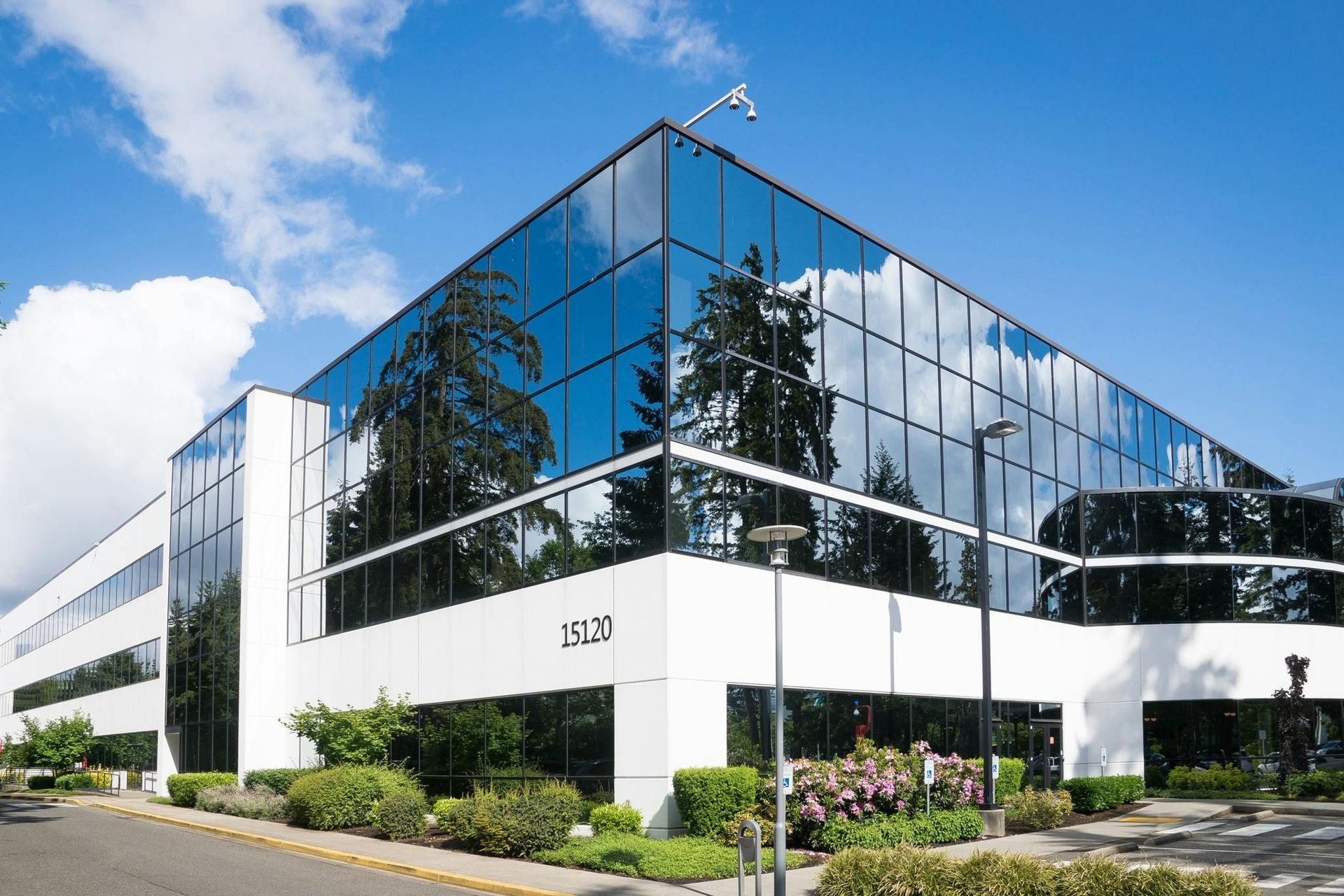
Georgetown, TX: What Is Architectural Window Film and How Does It Work? Georgetown’s summers regularly push past 100°F, and Williamson County’s heat season stretches well into October with sustained UV exposure that standard building glass does nothing to filter. Architectural window film is a professionally applied solution that bonds to the interior surface of fixed building glass and intercepts solar energy before it raises interior temperatures, fades furnishings, and drives up cooling costs across homes and businesses throughout the Georgetown area. Defining Architectural Window Film Architectural window film is a thin, optically engineered layer applied to the interior surface of building glass. It works as a selective filter across the solar spectrum, managing infrared heat, ultraviolet radiation, and glare without requiring window replacement or any structural modification to the property. How Architectural Window Film Works Window film addresses solar energy at the glass surface before it enters the building interior. The solar spectrum carries visible light, infrared radiation, and ultraviolet radiation, each contributing differently to heat buildup, interior material damage, and occupant discomfort. Blocking Infrared Heat Infrared radiation is the primary driver of heat buildup in buildings with significant glass exposure. High-performance architectural films use nano-ceramic technology to intercept infrared wavelengths at the glass surface, reducing interior thermal load without requiring a heavily tinted or darkened appearance. Filtering UV Radiation Ultraviolet radiation passes through standard untreated glass and causes cumulative damage to flooring, furniture, upholstery, artwork, and merchandise over time. Quality architectural film blocks the vast majority of UV radiation at the glass surface while preserving a clear, natural interior view. Core Benefits for Georgetown Properties Central Texas’s sustained heat, intense sun, and long cooling season make architectural window film a practical investment for both residential and commercial properties across the Georgetown area. Heat rejection intercepts solar infrared energy at the glass surface, reducing interior temperatures and lowering cooling demand during Williamson County’s extended summer season. Glare reduction softens intense afternoon light through south- and west-facing glass, improving comfort in homes, offices, and storefronts without eliminating natural daylight. UV protection shields interior furnishings, flooring, artwork, and merchandise from the fading and material breakdown caused by sustained ultraviolet exposure through untreated building glass. Architectural Film vs. Automotive Tint Architectural and automotive window films serve related purposes but are engineered as distinct products for distinct glass types. Architectural film is designed for large, flat building glass panels with different adhesive chemistry, thermal properties, and installation requirements than the curved glass used in vehicles. The surface area, structural properties, and heat management requirements of a fixed building panel differ fundamentally from those of an automotive window, and the film specifications reflect that difference. Choosing the Right Film Type for Your Georgetown Property Film construction determines how well a product performs under Georgetown’s sustained UV intensity and triple-digit summer heat. In a general sense, depending on the manufacturer, lower-grade dyed films can fade, discolor, or experience adhesive failure under the thermal cycling that Central Texas buildings face year-round. The Texas Tinter installs a confirmed range of HITEK Films architectural products matched to different property needs. Frequently Asked Questions About Architectural Window Film in Georgetown How does architectural window film perform in Georgetown’s heat and UV conditions? Williamson County’s extended hot season and sustained UV exposure put real stress on building interiors and cooling systems throughout the year. High-performance nano-ceramic architectural films, such as those made by HITEK Films, are engineered to maintain heat rejection and adhesion stability through years of Central Texas thermal cycling. In a general sense, depending on the manufacturer, lower-grade films can degrade faster under these conditions. How is architectural window film different from automotive tint? Architectural film is engineered for large, flat building glass with different adhesive systems, surface dimensions, and thermal properties than automotive glass. The installation methods and film specifications differ meaningfully from vehicle tinting, even when the same brand is used across both applications. Which HITEK Films architectural product is right for my Georgetown home or business? The right film depends on your property’s glass orientation, privacy needs, and heat rejection priorities. HITEK Ceramic DR suits properties needing strong heat control alongside daytime privacy. HITEK Ceramic Clear is ideal where preserving a natural window appearance is the priority alongside solar control. HITEK Silver Reflective delivers maximum heat rejection with a clean commercial aesthetic for storefronts and offices facing direct sun exposure throughout the day. How long does architectural window film last in Central Texas? Premium nano-ceramic architectural film installed by a certified professional is built to perform for many years without peeling, bubbling, or color shift. In a general sense, depending on the manufacturer, lower-grade dyed films can degrade significantly faster under Georgetown’s sustained UV intensity and heat load. HITEK Films architectural products carry manufacturer warranty coverage that reflects their long-term durability in demanding Central Texas conditions.
Georgetown TX SUV Window Tint: Ceramic Options, Laws & 2026 Guide Georgetown drivers searching for the best window tint for SUVs Georgetown TX are dealing with some of the most intense solar conditions in Central Texas. Large SUVs and trucks across Georgetown 78626 and the I-35 corridor carry significantly more glass than standard sedans, which amplifies heat buildup inside the cabin and accelerates interior deterioration with every season. This guide covers which film technologies perform best for large vehicles in Georgetown, what Texas law requires, and why factory privacy glass is not the protection most SUV owners assume it is. Why Georgetown SUV Owners Rely on Ceramic Window Tint In Georgetown, TX, large vehicle cabins contend with two simultaneous solar challenges: extreme heat and sustained UV exposure throughout the year. In general, standard dyed films primarily darken glass and deliver limited infrared heat rejection, though performance varies by manufacturer. The result is a cabin that still accumulates significant heat and interior surface damage despite having tint installed. Nano-ceramic film, such as those made by HITEK Films, is engineered to block a significant portion of infrared radiation and nearly all UV before it enters the cabin. This directly reduces surface temperatures on leather, dashboards, and door panels, and lowers the demand on the A/C system during Central Texas summers. Premium nano-ceramic products also carry lifetime warranties backed by the manufacturer, making them a long-term investment rather than a cosmetic upgrade. For XL SUV tint packages in Georgetown, ceramic film is not a premium add-on. It is the only realistic approach for keeping three-row cabins, panoramic roof areas, and large cargo spaces genuinely cooler and protected across the full vehicle. Ceramic vs. Carbon Film for Central Texas Heat The core difference between ceramic and carbon film in Georgetown’s climate is how each handles infrared radiation, the portion of sunlight responsible for the heat felt inside a large cabin. In general, carbon films offer better color stability and moderate heat reduction compared to basic dyed options, though performance varies by manufacturer. They do not match nano-ceramic film on infrared rejection or total solar energy rejection (TSER). Nano-ceramic film, such as those made by HITEK Films, delivers high IR rejection and strong TSER while maintaining clear visibility and no interference with GPS, Bluetooth, or driver-assist systems. At Texas’s required VLT threshold on front windows, nano-ceramic achieves meaningful heat and UV protection that carbon film cannot match at the same light transmission level. For heat rejection during Central Texas summers, this performance gap is most noticeable in large cabins where solar load builds quickly across multiple glass panels simultaneously. Large Glass, Sunroofs, and the Factory Privacy Glass Problem Modern XL SUVs, three-row crossovers, and electric SUVs present tinting challenges that standard sedans do not.Extended side glass, rear quarter panels, and panoramic sunroofs all function as heat entry points when left untreated. Addressing only the front doors leaves the majority of the vehicle’s glass surface area unprotected. Panoramic sunroof ceramic tint is a critical component of full-vehicle protection. A nearly clear nano-ceramic film applied to the roof glass blocks a significant portion of IR and UV while keeping the cabin bright and open. Without it, passengers in the second and third rows absorb direct solar radiation from above regardless of what film covers the side windows. Factory privacy glass on SUVs is a persistent source of confusion. The dark rear glass common on large SUVs is produced through a pigment process designed for appearance and privacy. In general, it provides limited infrared or UV rejection regardless of how dark it appears, though this varies by manufacturer. The practical consequences for Georgetown SUV owners are direct: Factory privacy glass still allows significant infrared energy to pass, so rear surfaces and passengers remain exposed to radiant heat throughout the day. A clear nano-ceramic overlay applied over that factory glass adds genuine IR and UV blocking without making the windows any darker or reducing nighttime visibility.
Georgetown, TX Windshield Tint: Best Legal & Safe Choices If you’re researching the best window tint for windshields Georgetown TX drivers rely on for both comfort and compliance, you need clear answers. The best window tint for windshields Georgetown TX offers for legal IR rejection must handle intense Hill Country heat while meeting Texas windshield tint law 2026 standards. With summer temperatures pushing well past 100°F and daily traffic on I-35, windshield performance matters. This guide explains AS-1 line Texas rules, net transmission limits, ceramic technology, and how to stay inspection-ready in Williamson County. Texas Windshield Laws: Staying Compliant in Georgetown (2026) Under Texas windshield tint law 2026, windshield tinting is regulated to preserve forward visibility. Texas focuses on Visible Light Transmission (VLT), reflectivity, and placement under AS-1 line Texas rules. The AS-1 Line Rule: Why You Can’t Go Below the Top 5 Inches with Dark Film Texas allows a non-reflective tint strip only above the AS-1 line or within the top five inches of the windshield, whichever is lower. This strip is commonly called the eyebrow. Anything below that boundary must remain clear enough to maintain safe visibility. Dark film extending below the AS-1 line violates state law and can result in citation during routine traffic stops.For compliance, the legal VLT for windshield strip TX permits darker shades in that top band only if they remain non-reflective. 25% VLT & Reflectivity: Understanding the Legal “Net” Limit The sun strip may use film around 25% VLT if it stays non-reflective. However, Texas measures net transmission, meaning the combined VLT of factory glass and aftermarket film. Factory glass is often already tinted. When film is added, the final reading may drop lower than expected. For example: Factory 75% × 25% film = approximately 19% net (very dark) Factory 75% × 35% film = approximately 26% net Because enforcement relies on tint meters, many installers select a slightly lighter strip film to provide a safety margin during inspection checks in Georgetown. Why Full Windshield “Clear” Tint Is a Gray Area in Texas Many sources say full windshield tint is illegal. The nuance is that Texas prohibits dark tint below the AS-1 line but requires the entire windshield to maintain at least 70% VLT total. This opens the door to clear UV protection film for windshields in the 70%–80% range. When the final net VLT remains at or above 70% and the film is non-reflective, it may comply with the letter of the law. The challenge is factory glass variation. If factory glass already measures close to 70%, adding a 70% film may drop the net reading below the legal threshold. Beat the Georgetown Heat: Ceramic vs. Carbon Film Windshields allow the largest concentration of solar energy into the cabin. In Central Texas, performance matters more than darkness. Why Nano-Ceramic Is Necessary for Central Texas Summers When comparing ceramic vs. nano-ceramic windshield tint, nano-ceramic technology offers superior infrared control in lighter shades. For better thermal balance and clarity, advanced nano-ceramic options, such as those made by HITEK Films , provide strong IR rejection in nearly invisible shades. These films are non-metallic and compatible with toll tags, GPS, and modern driver-assist sensors.Tesla Model 3 and Model Y vehicles benefit from nano-ceramic film due to their expansive glass surfaces. Large windshields gather more heat, making infrared rejection critical. Infrared (IR) Rejection: Saving Your A/C, Fuel, and EV Range Infrared radiation drives interior heat buildup. A bare dashboard exposed to Georgetown’s July sun can reach extreme surface temperatures. High-quality ceramic windshield film can significantly reduce those surface readings. Lower interior heat means: Reduced strain on air conditioning systems Improved comfort when entering the vehicle Better efficiency for gas vehicles and EV range preservation Carbon films offer good glare control and durability. In the general sense, dyed films can fade over time depending on the manufacturer. For windshield applications where clarity and high infrared rejection matter most, advanced nano-ceramic films, such as those made by HITEK Films , provide more stable long-term performance. Top Recommendations for Georgetown Drivers Selecting the best configuration depends on whether your priority is glare control, heat reduction, or interior preservation. Best for Privacy: The 25% VLT AS-1 Sun Strip A compliant 25%–35% non-reflective strip above the AS-1 line reduces glare without affecting the main viewing area. Daily commuters on I-35 or Williams Drive benefit from low-angle sun protection while staying within Texas law. Best for Heat Rejection: 70%–80% Full Clear Ceramic (Legal UV/IR Film) For maximum comfort, 70%–80% nano-ceramic film across the full windshield blocks infrared and UV rays while keeping a near-stock look. Properly installed at or above 70% total VLT, it controls heat without attracting enforcement attention. Protecting Your Dash: Stopping the “Texas Dash Crack” The windshield is the main source of UV exposure, which accelerates fading and material breakdown. Clear ceramic film filters UV consistently, slowing interior aging and reducing the risk of cracking or discoloration over time.
Georgetown, TX Window Tint Durability: A Hill Country Guide Searching how long window tint lasts in Georgetown, TX? Avoid replacing after a few Central Texas summers. Longevity stems from sun, heat, limestone glare, hard water and not mileage. This Hill Country guide covers lifespans by type, why Georgetown toughens film, climate films and habits for performance. Realistic Lifespan Expectations for Georgetown Drivers Tint lifespan in Georgetown, TX depends on construction, install, parking, Central Texas maintenance. In Sun City, Wolf Ranch, North Austin, outdoor parking widens entry vs. premium gaps. In real-world Texas conditions: Dyed: Fades, shifts color, loses heat in 3–5 years, per manufacturer/exposure Carbon: 7–10 years, better stability/heat. Nano-ceramic: 10–15+ years with quality/care. Ceramic beats carbon in the Texas sun. Nano-ceramic rejects IR better, cools cabin/adhesive. Premium films from HITEK Films withstand solar load sans fading/interference. Why the Georgetown Sun Is Harder on Your Tint Georgetown Hill Country creates a harsher film environment than most cities. Central Texas tint durability goes beyond air temp, it’s daily radiant energy absorption. The 100-Degree Club: Heat and Adhesive Bonds Uncovered parking sends interior glass far above ambient. Heat soak stresses low-grade films/adhesives. Common heat-related failure patterns include: Bubbling from softened adhesive Edge shrinkage/peeling by defrosters/seals In general, these issues appear sooner with entry-level films and basic adhesives. Advanced ceramic films, such as those produced by HITEK Films , are designed to tolerate higher thermal loads while remaining bonded and optically stable. UV Exposure in Central Texas vs. Northern States Georgetown TX UV protection is critical all year-round. Unlike during northern winters, tint works constantly. Over several years of exposure: Dyed loses stability, turns purple (formulation-dependent) Ceramic holds UV rejection/appearance via inorganic build This is why many local drivers treat ceramic tint as a long-term protection strategy rather than a cosmetic upgrade. Reflection Factors: Limestone and Open Roads Limestone buildings, light concrete, open roads boost reflected glare. Windows absorb from above/sides. As a result: Lower glass gets higher exposure Weaker films fail at edges first Georgetown heat-resistant window film must handle both direct and reflected load, which is where nano-ceramic materials excel. Material Comparison: Which Tint Survives the Texas Heat? Automotive window tint generally falls into three categories: dyed, carbon, and nano-ceramic. The way each responds to Central Texas conditions determines its real-world lifespan. Dyed Window Tint: Why It Fades and Purples in 3–5 Years Dyed film is considered an entry-level option. In a general sense, dyed films rely on organic dyes that absorb heat. In Georgetown conditions: Color may fade or shift toward purple after repeated UV exposure Heat rejection is limited, increasing stress on the adhesive Because results vary by manufacturer, performance is not uniform. More durable alternatives include advanced ceramic films, such as those made by HITEK Films , which do not rely on dyes for performance. Carbon Film: Good Color Stability; 7–10 Year Lifespan Carbon-infused films improve on dyed technology by offering better color stability and moderate heat rejection without metallic layers. For Central Texas drivers: Carbon films often reach 7–10 years with consistent appearance They resist purpling better than dyed films but do not block infrared heat as effectively as ceramic Carbon can be a balanced choice for vehicles that are driven regularly and not left parked in full sun for extended periods. Nano-Ceramic Tint: 99% UV Rejection and the Longest Lifespan in Texas Heat Nano-ceramic tint represents the highest tier of window film technology. It uses non-metallic ceramic particles to manage heat and UV without interfering with electronics. In Georgetown, nano-ceramic films offer: Near-total UV blocking with strong infrared heat rejection Long-term color stability under constant sun exposure Clear signal performance for GPS, mobile devices, and keyless entry For vehicles parked outdoors for long periods, ceramic is often the most reliable long-term option. Texas Window Tint Laws (2026 Update) Texas tint laws limit darkness for Georgetown inspections. Compliance avoids premature removal/replacement. TX requires lighter front sides than rears; windshield limited to areas. See FAQs below for specifics.
Nighttime Visibility Guide: Window Tint in Georgetown, TX Georgetown, TX drivers often question window tint night visibility Georgetown TX, balancing intense daytime heat rejection against safe low-light driving on rural roads. Local conditions range from well-lit corridors like I-35 to completely dark stretches on TX-29 or Ronald Reagan Blvd, where suburban growth brings poorly lit new developments. Premium nano-ceramic films preserve high optical clarity and reduce distortion compared to lower-grade options, even at moderate darkness levels.Effectiveness depends on VLT percentage, film quality, tint type, and adaptation to local lighting variations. Nano-ceramic options deliver reliable performance tailored to Texas’s environment. Window Tint Overview (Night Visibility Effects) Window tint reduces incoming light, which may impact night vision depending on the visible light transmission (VLT) percentage. VLT measures the percentage of visible light that passes through the window and film combined.Higher VLT permits more light for clearer night vision; lower VLT blocks more light and darkens the interior view. Intense Texas sunlight during the day masks many tint effects and highlights heat rejection benefits. At night, reliance on limited street lighting, headlights, and moonlight amplifies any reduction in incoming light, increasing difficulty with shadows, glare, or rapid hazard detection. Does Window Tint Reduce Night Visibility? Different VLT levels produce predictable nighttime outcomes, particularly with quality films. Premium nano-ceramic films deliver excellent optical clarity, minimal haze, and strong glare reduction without electronic interference. 50% VLT — At 50% VLT, drivers see little night vision change. It softens headlight glare while keeping clear sightlines. This works when visibility matters most. 35% VLT — 35% VLT cuts IR/UV in Texas heat with reliable night clarity. Signs, traffic, and edges stay visible on quiet roads; glare drops on busy routes. 20% VLT — 20% VLT darkens low-light views noticeably. Georgetown drivers often rethink it after trouble spotting objects or maneuvering in unlit areas. 5% VLT — 5% VLT limits peripheral vision severely. It raises risks on dark rural roads needing quick hazard detection. How Much Does Visibility Change in Georgetown Conditions? Window tint reduces incoming light by 15-50% depending on VLT, amplifying challenges in dark rural areas.Georgetown and central Texas drivers report increased glare reduction but potential delays in hazard detection on unlit roads. Visibility remains adequate in well-lit zones. Tint minimizes issues when paired with clean windows and adaptive driving, but doesn’t fully compensate for complete darkness. Window Tint vs Different Types in Texas Nights Ceramic tint outperforms others in Texas nights. HITEK Films’ Ceramic films stand out for Texas nights, beating dyed, carbon, and metallic options with sharper clarity and better glare control in humid heat.Lower-quality dyed or basic films often fade or haze over time, while metallics risk signal blocks or distortion (results vary by brand). Carbon holds decent heat rejection but can’t match ceramic’s crisp long-term vision. Benefits of Window Tint Specifically for Georgetown Drivers Quality tints reject harsh glare from oncoming headlights, preventing eye strain during night travel on rural roads. UV protection preserves interiors from Texas sun fading.Reduced light distortion eases navigation in mixed lighting. Practical benefits include safer drives in wildlife-prone areas and throughout Georgetown’s varying conditions.Texas’s 25% VLT is measured in combination with factory glass, meaning a 25% aftermarket film on factory-tinted glass can push you into illegal territory. For Georgetown Night Drives, is Window Tint Worth It? Window tint enhances glare reduction but doesn’t eliminate visibility challenges in pitch-black areas. Low-light exposure means darker tints amplify shadows. Use adaptive habits or brighter routes alongside tint. Avoid expecting perfect vision without eye adjustment. In Texas dryness, low-quality films may risk fading from UV. Choose premium films to prevent issues.
Ceramic Window Tint in Georgetown, TX: Does It Really Stop Heat? Georgetown TX summers regularly hit average highs of 95-100°F in July, with heat index often exceeding 105°F due to humidity, turning parked cars into ovens. Many drivers ask if ceramic window tint Georgetown TX actually delivers meaningful heat reduction in this intense climate or if it’s mostly marketing hype. Premium nano-ceramic films block substantial heat through high infrared (IR) heat rejection, typically exceeding 90% IR, creating noticeably cooler cabins and easing AC strain. Results vary by film quality, installation precision, and humid conditions. HITEK Films ’ nano-ceramic lines, including Ceramic Ultra and Ceramic IR, provide strong, reliable performance engineered for Texas’s hot, humid summers. What Is Ceramic Window Tint and How Does It Work? Nano-Ceramic Technology Explained Ceramic window tint Georgetown TX incorporates nano-ceramic particles that target infrared heat rejection, the primary mechanism through which sunlight transfers radiant heat into vehicles. This non-metallic construction blocks heat without disrupting GPS, cell signals, or radio reception, a common issue with metalized films. HITEK Films’ Ceramic Ultra achieves up to 96% IR rejection at 1025nm and 71% total solar energy rejection (TSER), while Ceramic IR offers 75% broad-range rejection across 740-2500nm. The film rejects solar energy at the glass surface before heat penetrates the cabin, directly addressing the challenges posed by Texas’s intense summer conditions. Does Ceramic Tint Actually Block Heat? Real Performance Stats IR Rejection, TSER, and Heat Reduction Numbers Premium ceramic tint heat rejection delivers measurable results. HITEK Films Ceramic Ultra reaches up to 71% TSER and 96% IR rejection, with 99% UV block across all shades. Lines like Ceramic Plus provide 90-92% IR rejection and 61-69% TSER depending on visible light transmission (VLT) levels. Top-tier nano-ceramic films achieve up to 98% IR rejection, significantly outperforming basic or carbon films in radiant heat block Texas. The difference becomes immediately apparent during Georgetown’s peak summer months. How Much Cooler Does Your Car Get in Georgetown? Ceramic tint reduces car interior temperature by 20-40°F after 1 hour in humid 100°F+ sun. Georgetown and Austin-area drivers report noticeably less intense entry heat and quicker AC cooldowns compared to untinted or lower-quality tinted vehicles. Interiors stay measurably cooler in hot TX conditions. However, vehicles parked all day still accumulate heat. Ceramic tint slows buildup significantly but doesn’t eliminate it entirely. Pairing window film with shade parking or ventilation strategies produces optimal results. Ceramic Tint vs Regular, Carbon, and Other Tints in Texas Heat Why Ceramic Wins for Hot Summers Ceramic vs regular tint TX demonstrates clear performance superiority. Dyed or basic films typically offer limited IR block and can fade over time depending on the manufacturer. Carbon tint improves over dyed films with moderate IR rejection but falls short of ceramic’s 90%+ IR capabilities and higher TSER values. Metalized options may interfere with electronic signals. In Texas’s humid climate, ceramic vs carbon tint favors ceramic for maximum heat block Texas, long-term stability, and overall effectiveness, making it the best tint for Texas heat. Benefits of Ceramic Tint Specifically for Georgetown Drivers UV Protection, Glare Reduction, and AC Savings HITEK Films reject 99% of UV rays, preventing interior fading and cracking under intense Texas sun. Glare drops sharply, improving visibility and driving safety during bright afternoon commutes.Lower cabin heat reduces AC load substantially. Practical benefits include reduced fuel consumption from shorter cool-down times in Georgetown traffic and throughout Austin-area summers. Less reliance on maximum AC settings translates to tangible efficiency gains over time. Windshield Options for Maximum Heat Block Clear nano-ceramic films like HITEK Films Ceramic Clear (42% TSER) maximize infrared heat rejection without darkening your view. Texas law permits non-reflective tint on the top 5 inches of the windshield or fully clear UV/IR films across the entire windshield. These options deliver significant cooling gains with zero visibility issues or law enforcement concerns, ideal for combating humid glare while maintaining full forward visibility. The trade-off involves higher upfront investment versus substantial daily comfort benefits. Is Ceramic Window Tint Worth It in Georgetown? Limitations and Realistic Expectations Ceramic tint dramatically slows heat buildup but doesn’t eliminate it completely. Prolonged exposure in humid conditions means parked cars still warm from convection and radiant road heat.Combine tinted windows with shade parking or ventilation when possible. Avoid expecting zero heat accumulation without airflow management. In Texas humidity, lower-quality films from some manufacturers risk bubbling from moisture, selecting premium brands like HITEK Films prevents this common issue. Choosing the Best Ceramic Tint Brands for Texas HITEK Films excels with Ceramic Ultra (96% IR, 71% TSER, lifetime warranty) and Ceramic IR (75% IR, color-stable construction). These products deliver consistent performance in hot, humid conditions. Prioritize warranties covering moisture exposure and UV degradation. HITEK Films ’ lifetime coverage ensures long-term performance throughout Georgetown’s demanding climate conditions.
The Hidden Costs of Cheap Window Tint in Georgetown, TX You’re asking is cheap window tint a waste of money in Georgetown TX because summer heat is relentless and low-cost tint promises fast relief. In Central Texas, blocking visible light is not enough. The real issue is whether a film can manage infrared heat, maintain optical stability, and remain compliant with Texas inspection standards over time. This guide explains how different window tint technologies perform in Georgetown’s climate, how quality affects longevity, and why initial savings often disappear after the first few summers. How Georgetown Heat Exposes Low-Quality Window Tint Extended high temperatures place constant stress on window film adhesives, dye layers, and protective coatings. In general terms, lower-grade films may degrade faster in sustained heat, but performance depends heavily on the manufacturer, formulation, and installation quality. Georgetown drivers experience the problem during daily commutes, where glare and radiant heat enter through side glass even when the cabin appears dark. A film that reduces brightness without controlling infrared energy leaves interior surfaces absorbing heat, increasing cabin temperatures and reducing long-term film stability. Cheap vs Quality Window Tint: What Georgetown Drivers Need to Know Window tint performance is determined by how the film manages heat, UV radiation, and material aging. Budget films are often designed to reduce glare first, with limited attention to long-term thermal stability. Higher-grade films are engineered to control heat while maintaining color stability and adhesive strength over time. The difference becomes clear after the first few hot seasons, when fading, hazing, or bubbling begins to appear in lower-quality products. Dyed Film: Color Stability and Heat Performance In general, dyed films rely on pigment layers to darken glass. Over time, depending on the manufacturer and protective coatings used, these dyes may degrade when exposed to prolonged ultraviolet and thermal stress. This process can lead to color shift, hazing, or reduced optical clarity, but outcomes vary widely by product quality and formulation. Dyed films primarily reduce visible light. They provide limited infrared heat control, which means interior materials continue absorbing radiant energy even when glare appears reduced.For drivers seeking longer service life and better heat management, higher-grade alternatives are typically more stable, such as those made by HITEK Films , which use advanced material structures rather than dye-based absorption. Ceramic Film: Infrared Control for Texas Driving Ceramic window tint uses non-metallic, nano-ceramic particles to manage heat without relying on dyes or reflective metals. Instead of absorbing infrared energy, ceramic films reflect and disperse it at the glass surface.This structure improves long-term color stability, preserves optical clarity, and reduces the likelihood of bubbling or adhesive breakdown in prolonged heat. For Georgetown commuters who drive daily in direct sun, ceramic technology provides consistent performance across multiple summers without introducing electronic interference or visual distortion. Why Cheap Tint Costs More Over Time The true cost of window tint includes installation, longevity, and eventual removal. When lower-grade films fail, removal requires professional labor to dissolve hardened adhesive and scrape degraded layers from the glass. This process is time-intensive and often necessary before any new film can be installed.
What’s the Best for Georgetown, TX Drivers: Factory Tint vs. Aftermarket Tint? New car owners in Georgetown, TX often notice that factory windows look dark but still allow intense Central Texas heat to build inside the cabin. Factory tint vs aftermarket tint is a critical distinction when dealing with 100°F summers while staying compliant with Texas window tint laws 2025. This guide explains how factory privacy glass differs from aftermarket ceramic window film, how each performs in Texas heat, and what drivers should understand before making changes. What Is Factory Tint? Understanding “Privacy Glass” Factory tint, also called privacy glass, gets made during vehicle manufacturing by adding dark pigments into the glass. Its primary purpose is visual privacy and glare reduction, not thermal or UV protection. Making Privacy Glass (Pigment in the Glass) Molten automotive glass gets mixed with pigments, producing a uniform shade throughout the window. Because the tint is part of the glass itself, it does not peel or discolor. Why It Looks Dark but Lacks UV and Heat Protection Privacy glass reduces visible light but blocks significantly less infrared (IR) heat and ultraviolet (UV) radiation than aftermarket ceramic film. In Georgetown’s climate, this often results in interior temperatures that can exceed dangerous temperatures during peak summer sun, accelerating dashboard fading, leather cracking, and increased air-conditioning strain despite the dark appearance. Why Aftermarket Ceramic Tint Performs Better in Texas Heat Install aftermarket window tint as a film on the glass’s interior surface after buying. Manufacturers craft high-quality ceramic films for heat rejection and UV protection, overcoming factory glass’s limitations. Ceramic vs. Carbon: Best Car Tint for Texas Heat Ceramic window tint uses non-metallic nano-ceramic particles to achieve high Total Solar Energy Rejection (TSER), often exceeding 60%, while maintaining clarity and signal compatibility. Compared with carbon films, ceramic options provide superior infrared rejection without interfering with GPS, Bluetooth, or 5G. HITEK Films produces performance-focused ceramic tints. Engineers design them for extreme heat environments like Williamson County. UV vs. IR Rejection: Protecting Occupants and Interiors Ceramic window tint blocks up to 99% of UV radiation, which is a major contributor to skin damage and interior deterioration. Infrared rejection reduces radiant heat transfer, keeping cabin temperatures more stable and reducing glare during high-sun commutes along I-35. Texas Window Tint Laws 2025: Staying Legal in Georgetown Texas authorities enforce window tint regulations. Compliance hinges on visible light transmission (VLT) measurements after installation.Front side windows must allow at least 25% VLT. Rear windows differ by vehicle type: SUVs and trucks permit any darkness on rear side and back windows, while sedans stick to the 25% limit. Limit windshield tint to the top five inches above the AS-1 line. Understand these limits to stay legal with tint in Georgetown, TX. The 25% VLT Rule for Front Side Windows Law enforcement uses tint meters to measure VLT at the roadside. If readings fall below 25%, officers issue citations and fines, regardless of whether the darkness comes from factory glass, film, or a combination. Rear Window Rules: SUVs vs. Sedans Many SUVs leave the factory with very dark rear privacy glass. While legal, this glass often provides little heat rejection, creating what is referred to as the “privacy glass trap,” where the vehicle appears protected but still absorbs heat. Can You Tint Over Factory Privacy Glass? Yes, apply aftermarket tint over factory privacy glass, but calculate the net VLT . Managing Net VLT to Avoid Violations Most factory glass transmits around 70% of visible light. Adding a 25% VLT film over it results in an effective VLT of approximately 17%, which is illegal for front side windows in Texas. Accurate measurement and film selection are critical. Improving Heat Rejection on SUV Rear Windows Since Texas allows any darkness on SUV rear windows, add ceramic film to privacy glass. This boosts infrared and UV rejection without legal worries. Factory vs. Aftermarket Tint: Key Differences Factory privacy glass provides visual shade but minimal heat, UV, or safety benefits. Aftermarket ceramic tint blocks heat and glare. It stops most UV rays. It can help reduce glass shattering compared to untreated windows. Conclusion: Choosing the Right Tint for Texas Conditions Factory tint provides privacy but falls short in heat control and UV protection. HITEK Films produces aftermarket ceramic window tint that’s designed to address Texas heat while maintaining legal compliance and interior protection. 📞 Call *phone number* and get professional advice on factory tint and aftermarket tint options that meet Georgetown regulations and perform in Central Texas conditions.
How to Find the Best Window Tint Shop in Georgetown, TX (What to Look For Before Choosing) Most people search for the best window tint shop in Georgetown, TX for one main reason: heat. The Central Texas sun turns parked cars into ovens, and cheap tint does not last. Fading, bubbling, and poor visibility often show up after rushed installs. With so many strip-mall shops and high-end studios around town, knowing what to look for matters. This guide explains the key standards that define a professional Georgetown tint shop, along with 2025 law updates that affect comfort, safety, and resale value. Why Quality Tint Is Non-Negotiable in Georgetown Summer temperatures in Georgetown often hit 105°F. Without proper tint, cabin temperatures climb fast, air conditioners work harder, and dashboards can warp over time.The best window tint shop in Georgetown TX installs film with high total solar energy rejection (TSER). These films can reduce interior temperatures by 20 to 30 degrees, which makes a real difference during Texas summers. Installation quality matters too. Georgetown’s hard water can leave mineral spots on glass. If not cleaned correctly, those spots get trapped under the film forever. Reputable shops use filtered or distilled water and understand local needs, from Wolf Ranch commuters to Sun City drivers who want clear night visibility. 5 Essential Standards for a Georgetown Tint Professional Any shop claiming to be among the top rated window tinting Georgetown options should meet these standards. 1. Certified Dealer Status (HITEK Films) A certified HITEK Films dealer in Georgetown shows proper training and real film products. Off-brand or fake films break down quickly under Texas UV exposure.Quality shops display certifications and provide verified performance data, including UV and infrared heat rejection numbers. 2. Dust-Free, Climate-Controlled Installation Most tint failures come from dust and moisture. Professional shops use sealed, climate-controlled bays to keep debris out while film cures.In Georgetown, where wind and dust are common, clean install spaces are critical for smooth edges and long-lasting results. 3. Mastery of the 2025 Texas Tint Law Update Professional installers clearly explain Texas window tint laws 2025. Even though safety inspections ended for non-commercial vehicles, legal tint limits still apply.Front side windows must allow at least 25% visible light. Enforcement now happens during traffic stops, not inspections. A good shop checks compliance with tint meters before installing, reducing the risk of tickets or rework. 4. High-Visibility Performance for Night Driving Many Georgetown drivers want heat protection without dark glass. This is especially common in Sun City.High-visibility ceramic films block heat while staying clear at night. They reduce glare without hurting safety on roads like Ron Brooks Parkway. 5. Ceramic vs. Carbon: What Works Best in Central Texas Ceramic window tint Georgetown TX shops recommend performs better than carbon film in extreme heat. Both block UV rays, but ceramic blocks much more infrared heat, which is what causes cabins to overheat.Ceramic tint lasts longer, resists fading, and does not interfere with electronics.Carbon tint costs less upfront but fades sooner and blocks less heat. For long-term comfort, ceramic is usually the better choice in Texas. How the 2025 Texas Inspection Law Affects You Texas ended mandatory safety inspections for non-commercial vehicles on January 1, 2025. This Georgetown TX vehicle inspection 2025 change means tint is no longer checked during annual inspections. Why Tint Laws Still Matter Even without inspections, the legal tint limit in Williamson County has not changed. Front side windows must still allow 25% visible light.Police now check tint during traffic stops using handheld meters. This makes proper installation and legal film choice more important than ever. Protecting Your Investment: Tint for Homes and EVs Home window tinting Georgetown TX homeowners choose can cut cooling costs by up to 25%. Ceramic residential films reduce heat without darkening rooms or changing how the home looks outside. Tesla window tinting Georgetown and other modern vehicles require non-metallic ceramic film. Metallic tint can interfere with GPS, sensors, and driver-assistance systems. Many owners also pair tint with paint protection film Georgetown installers offer to protect against rock chips on I-35. Conclusion: Your Final Choosing Checklist Choose the best window tint shop in Georgetown TX by confirming: Certified dealer status Climate-controlled installation bays Clear knowledge of 2025 tint laws High-visibility ceramic film options Visit shops in person, review film samples, and ask for real performance data before deciding. 👉 When you’re ready, speak with a certified professional at *phone number* to ask clear questions about film options and staying compliant with Texas’s 2025 tint laws.