
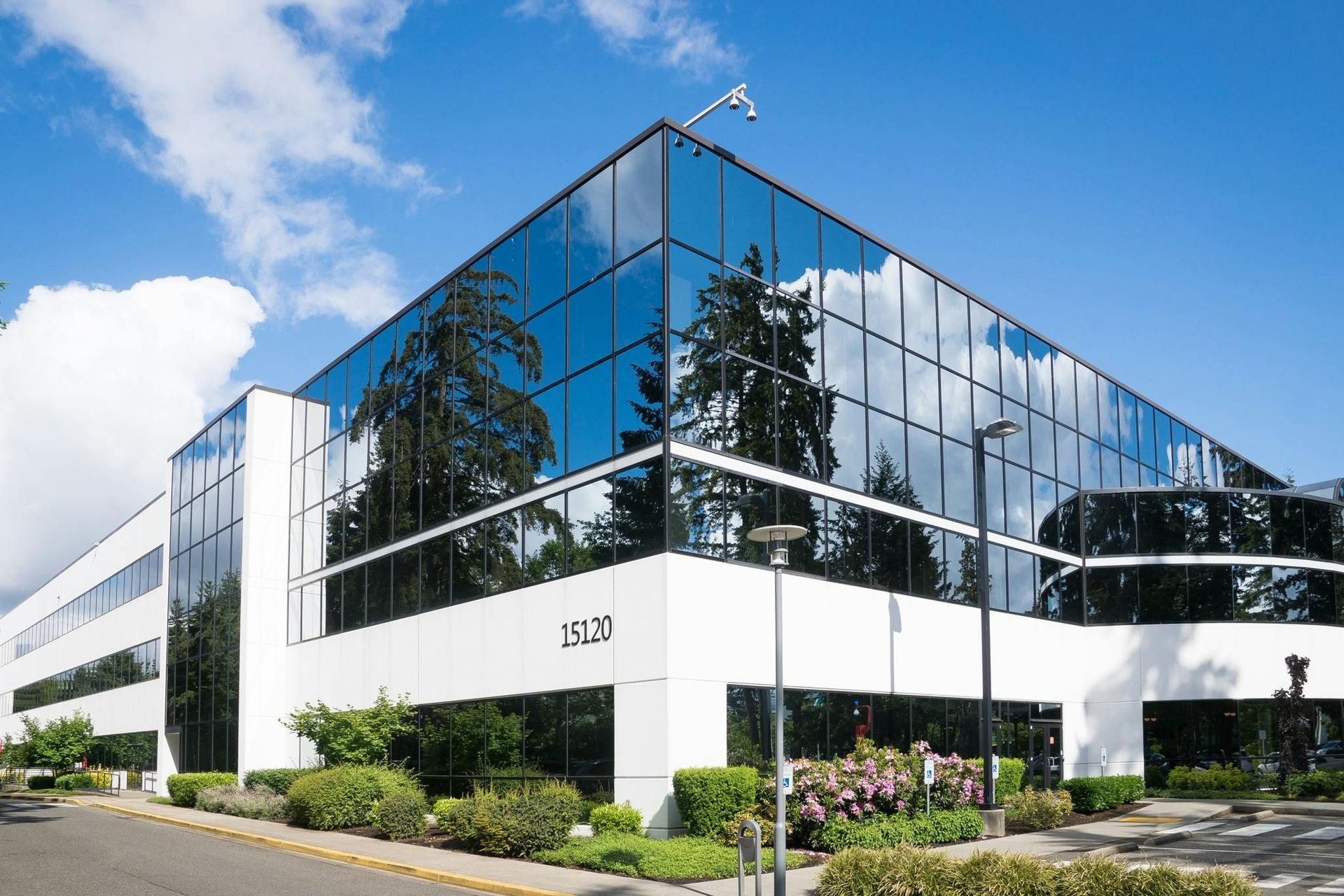
Georgetown, TX: What Is Architectural Window Film and How Does It Work? Georgetown’s summers regularly push past 100°F, and Williamson County’s heat season stretches well into October with sustained UV exposure that standard building glass does nothing to filter. Architectural window film is a professionally applied solution that bonds to the interior surface of fixed building glass and intercepts solar energy before it raises interior temperatures, fades furnishings, and drives up cooling costs across homes and businesses throughout the Georgetown area. Defining Architectural Window Film Architectural window film is a thin, optically engineered layer applied to the interior surface of building glass. It works as a selective filter across the solar spectrum, managing infrared heat, ultraviolet radiation, and glare without requiring window replacement or any structural modification to the property. How Architectural Window Film Works Window film addresses solar energy at the glass surface before it enters the building interior. The solar spectrum carries visible light, infrared radiation, and ultraviolet radiation, each contributing differently to heat buildup, interior material damage, and occupant discomfort. Blocking Infrared Heat Infrared radiation is the primary driver of heat buildup in buildings with significant glass exposure. High-performance architectural films use nano-ceramic technology to intercept infrared wavelengths at the glass surface, reducing interior thermal load without requiring a heavily tinted or darkened appearance. Filtering UV Radiation Ultraviolet radiation passes through standard untreated glass and causes cumulative damage to flooring, furniture, upholstery, artwork, and merchandise over time. Quality architectural film blocks the vast majority of UV radiation at the glass surface while preserving a clear, natural interior view. Core Benefits for Georgetown Properties Central Texas’s sustained heat, intense sun, and long cooling season make architectural window film a practical investment for both residential and commercial properties across the Georgetown area. Heat rejection intercepts solar infrared energy at the glass surface, reducing interior temperatures and lowering cooling demand during Williamson County’s extended summer season. Glare reduction softens intense afternoon light through south- and west-facing glass, improving comfort in homes, offices, and storefronts without eliminating natural daylight. UV protection shields interior furnishings, flooring, artwork, and merchandise from the fading and material breakdown caused by sustained ultraviolet exposure through untreated building glass. Architectural Film vs. Automotive Tint Architectural and automotive window films serve related purposes but are engineered as distinct products for distinct glass types. Architectural film is designed for large, flat building glass panels with different adhesive chemistry, thermal properties, and installation requirements than the curved glass used in vehicles. The surface area, structural properties, and heat management requirements of a fixed building panel differ fundamentally from those of an automotive window, and the film specifications reflect that difference. Choosing the Right Film Type for Your Georgetown Property Film construction determines how well a product performs under Georgetown’s sustained UV intensity and triple-digit summer heat. In a general sense, depending on the manufacturer, lower-grade dyed films can fade, discolor, or experience adhesive failure under the thermal cycling that Central Texas buildings face year-round. The Texas Tinter installs a confirmed range of HITEK Films architectural products matched to different property needs. Frequently Asked Questions About Architectural Window Film in Georgetown How does architectural window film perform in Georgetown’s heat and UV conditions? Williamson County’s extended hot season and sustained UV exposure put real stress on building interiors and cooling systems throughout the year. High-performance nano-ceramic architectural films, such as those made by HITEK Films, are engineered to maintain heat rejection and adhesion stability through years of Central Texas thermal cycling. In a general sense, depending on the manufacturer, lower-grade films can degrade faster under these conditions. How is architectural window film different from automotive tint? Architectural film is engineered for large, flat building glass with different adhesive systems, surface dimensions, and thermal properties than automotive glass. The installation methods and film specifications differ meaningfully from vehicle tinting, even when the same brand is used across both applications. Which HITEK Films architectural product is right for my Georgetown home or business? The right film depends on your property’s glass orientation, privacy needs, and heat rejection priorities. HITEK Ceramic DR suits properties needing strong heat control alongside daytime privacy. HITEK Ceramic Clear is ideal where preserving a natural window appearance is the priority alongside solar control. HITEK Silver Reflective delivers maximum heat rejection with a clean commercial aesthetic for storefronts and offices facing direct sun exposure throughout the day. How long does architectural window film last in Central Texas? Premium nano-ceramic architectural film installed by a certified professional is built to perform for many years without peeling, bubbling, or color shift. In a general sense, depending on the manufacturer, lower-grade dyed films can degrade significantly faster under Georgetown’s sustained UV intensity and heat load. HITEK Films architectural products carry manufacturer warranty coverage that reflects their long-term durability in demanding Central Texas conditions.
Georgetown, TX Windshield Tint: Best Legal & Safe Choices If you’re researching the best window tint for windshields Georgetown TX drivers rely on for both comfort and compliance, you need clear answers. The best window tint for windshields Georgetown TX offers for legal IR rejection must handle intense Hill Country heat while meeting Texas windshield tint law 2026 standards. With summer temperatures pushing well past 100°F and daily traffic on I-35, windshield performance matters. This guide explains AS-1 line Texas rules, net transmission limits, ceramic technology, and how to stay inspection-ready in Williamson County. Texas Windshield Laws: Staying Compliant in Georgetown (2026) Under Texas windshield tint law 2026, windshield tinting is regulated to preserve forward visibility. Texas focuses on Visible Light Transmission (VLT), reflectivity, and placement under AS-1 line Texas rules. The AS-1 Line Rule: Why You Can’t Go Below the Top 5 Inches with Dark Film Texas allows a non-reflective tint strip only above the AS-1 line or within the top five inches of the windshield, whichever is lower. This strip is commonly called the eyebrow. Anything below that boundary must remain clear enough to maintain safe visibility. Dark film extending below the AS-1 line violates state law and can result in citation during routine traffic stops.For compliance, the legal VLT for windshield strip TX permits darker shades in that top band only if they remain non-reflective. 25% VLT & Reflectivity: Understanding the Legal “Net” Limit The sun strip may use film around 25% VLT if it stays non-reflective. However, Texas measures net transmission, meaning the combined VLT of factory glass and aftermarket film. Factory glass is often already tinted. When film is added, the final reading may drop lower than expected. For example: Factory 75% × 25% film = approximately 19% net (very dark) Factory 75% × 35% film = approximately 26% net Because enforcement relies on tint meters, many installers select a slightly lighter strip film to provide a safety margin during inspection checks in Georgetown. Why Full Windshield “Clear” Tint Is a Gray Area in Texas Many sources say full windshield tint is illegal. The nuance is that Texas prohibits dark tint below the AS-1 line but requires the entire windshield to maintain at least 70% VLT total. This opens the door to clear UV protection film for windshields in the 70%–80% range. When the final net VLT remains at or above 70% and the film is non-reflective, it may comply with the letter of the law. The challenge is factory glass variation. If factory glass already measures close to 70%, adding a 70% film may drop the net reading below the legal threshold. Beat the Georgetown Heat: Ceramic vs. Carbon Film Windshields allow the largest concentration of solar energy into the cabin. In Central Texas, performance matters more than darkness. Why Nano-Ceramic Is Necessary for Central Texas Summers When comparing ceramic vs. nano-ceramic windshield tint, nano-ceramic technology offers superior infrared control in lighter shades. For better thermal balance and clarity, advanced nano-ceramic options, such as those made by HITEK Films , provide strong IR rejection in nearly invisible shades. These films are non-metallic and compatible with toll tags, GPS, and modern driver-assist sensors.Tesla Model 3 and Model Y vehicles benefit from nano-ceramic film due to their expansive glass surfaces. Large windshields gather more heat, making infrared rejection critical. Infrared (IR) Rejection: Saving Your A/C, Fuel, and EV Range Infrared radiation drives interior heat buildup. A bare dashboard exposed to Georgetown’s July sun can reach extreme surface temperatures. High-quality ceramic windshield film can significantly reduce those surface readings. Lower interior heat means: Reduced strain on air conditioning systems Improved comfort when entering the vehicle Better efficiency for gas vehicles and EV range preservation Carbon films offer good glare control and durability. In the general sense, dyed films can fade over time depending on the manufacturer. For windshield applications where clarity and high infrared rejection matter most, advanced nano-ceramic films, such as those made by HITEK Films , provide more stable long-term performance. Top Recommendations for Georgetown Drivers Selecting the best configuration depends on whether your priority is glare control, heat reduction, or interior preservation. Best for Privacy: The 25% VLT AS-1 Sun Strip A compliant 25%–35% non-reflective strip above the AS-1 line reduces glare without affecting the main viewing area. Daily commuters on I-35 or Williams Drive benefit from low-angle sun protection while staying within Texas law. Best for Heat Rejection: 70%–80% Full Clear Ceramic (Legal UV/IR Film) For maximum comfort, 70%–80% nano-ceramic film across the full windshield blocks infrared and UV rays while keeping a near-stock look. Properly installed at or above 70% total VLT, it controls heat without attracting enforcement attention. Protecting Your Dash: Stopping the “Texas Dash Crack” The windshield is the main source of UV exposure, which accelerates fading and material breakdown. Clear ceramic film filters UV consistently, slowing interior aging and reducing the risk of cracking or discoloration over time.